SAGA’s Circadian Light Splashes Down After More Than Three Years on the ISS
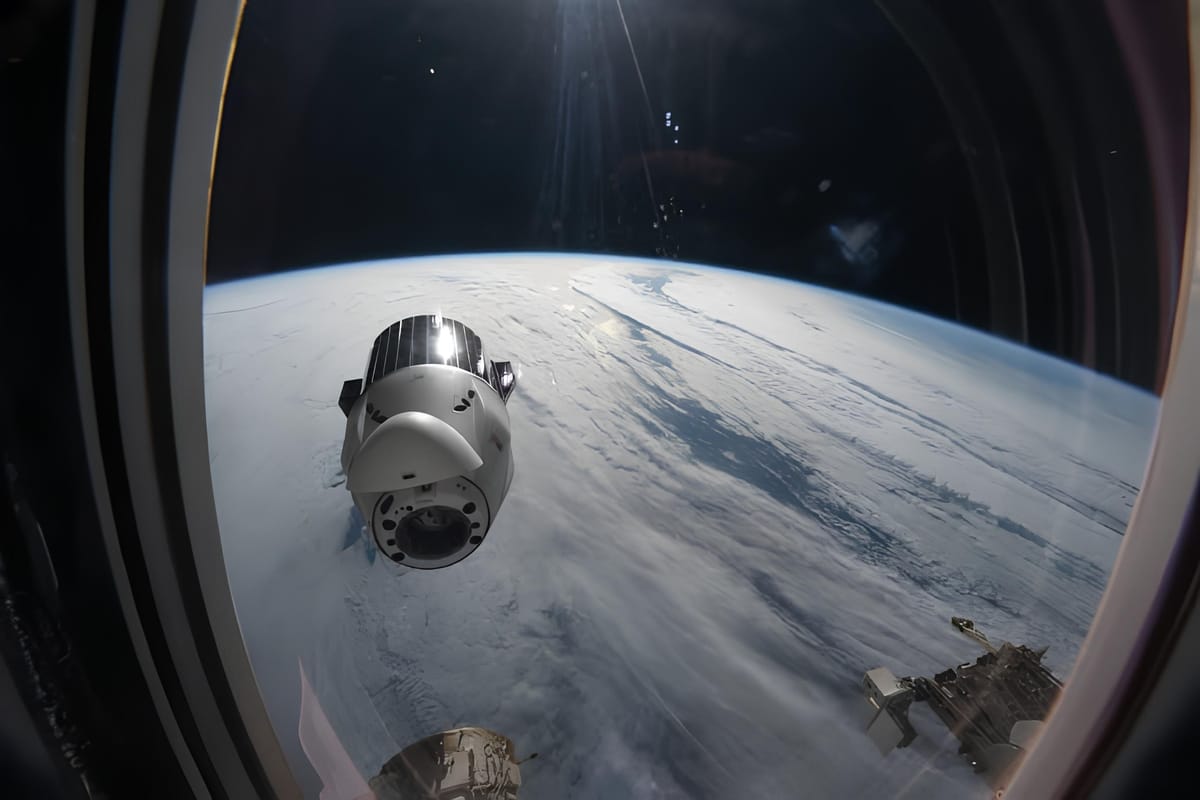
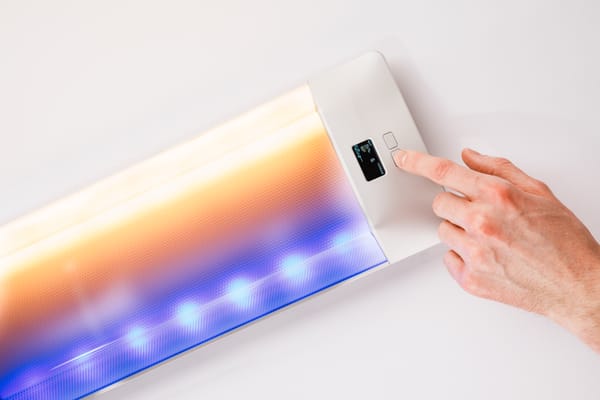
SAGA Space Architects' Circadian Light has returned to Earth after more than three years aboard the International Space Station (ISS). The lighting system splashed down off the coast of California on November 21, 2026 on board the SpaceX CRS-35 Dragon spacecraft. It will now travel to Denmark to join the collection of the Danish Museum of Science & Technology.
Launched to the ISS in June 2023, Circadian Light was first tested by Danish ESA astronaut Andreas Mogensen during his Huginn mission and subsequently used by other astronauts aboard the station.
From the ISS to the California coast
The SpaceX Dragon spacecraft undocked the ISS on November 20, 2026 at 18:05 CET before it returned through Earth’s atmosphere and splashed down near Long Beach, California on November 21 at 23:03 CET.
You can find more information on the additional cargo that has been returned with the SpaceX Dragon spacecraft here. NASA has also released a replay of its livestream covering the undocking of SpaceX’s Dragon spacecraft from the International Space Station, available to watch down below.
“This is an incredible moment for us. We have been following along and supporting the astronauts with the use of the circadian light for more than three years. Having it return to Earth is an extremely rare case with space technology, and we are looking forward to seeing it again in Denmark!”, says Sebastian Aristotelis, Co-Founder and Lead Architect, SAGA Space Architects
What will happen next
Following splashdown, the European Space Agency (ESA) will coordinate Circadian Light's transport to Denmark, where it will become part of the Danish Museum of Science and Technology's Danish Space Adventure collection.
“As a museum, we are responsible for collecting Danish technological heritage and preserving it for future generations. Collecting new technology, and having it come down from space, is a rare and significant event. Circadian Light will play an important role in our coming exhibition and in telling the story of Denmark’s contribution to the space industry,” says Peter Bjerregaard, Director of the Danish Museum of Science and Technology.
Further details about Circadian Light arrival and upcoming public presentation will be announced soon.
***
For more information, contact [email protected] or [email protected].
Circadian Light project page is available here and more information on The Danish Space Adventure project at the Danish Museum of Science and Technology can be found here.
Press kit for the Circadian Light is available here.