SAGA's Circadian Light Returns to Earth After More Than 1200 Days in Space
After more than three years aboard the International Space Station (ISS), our Circadian Light is coming back to Earth. Its return marks an important milestone for SAGA and our work in human-centered space architecture.
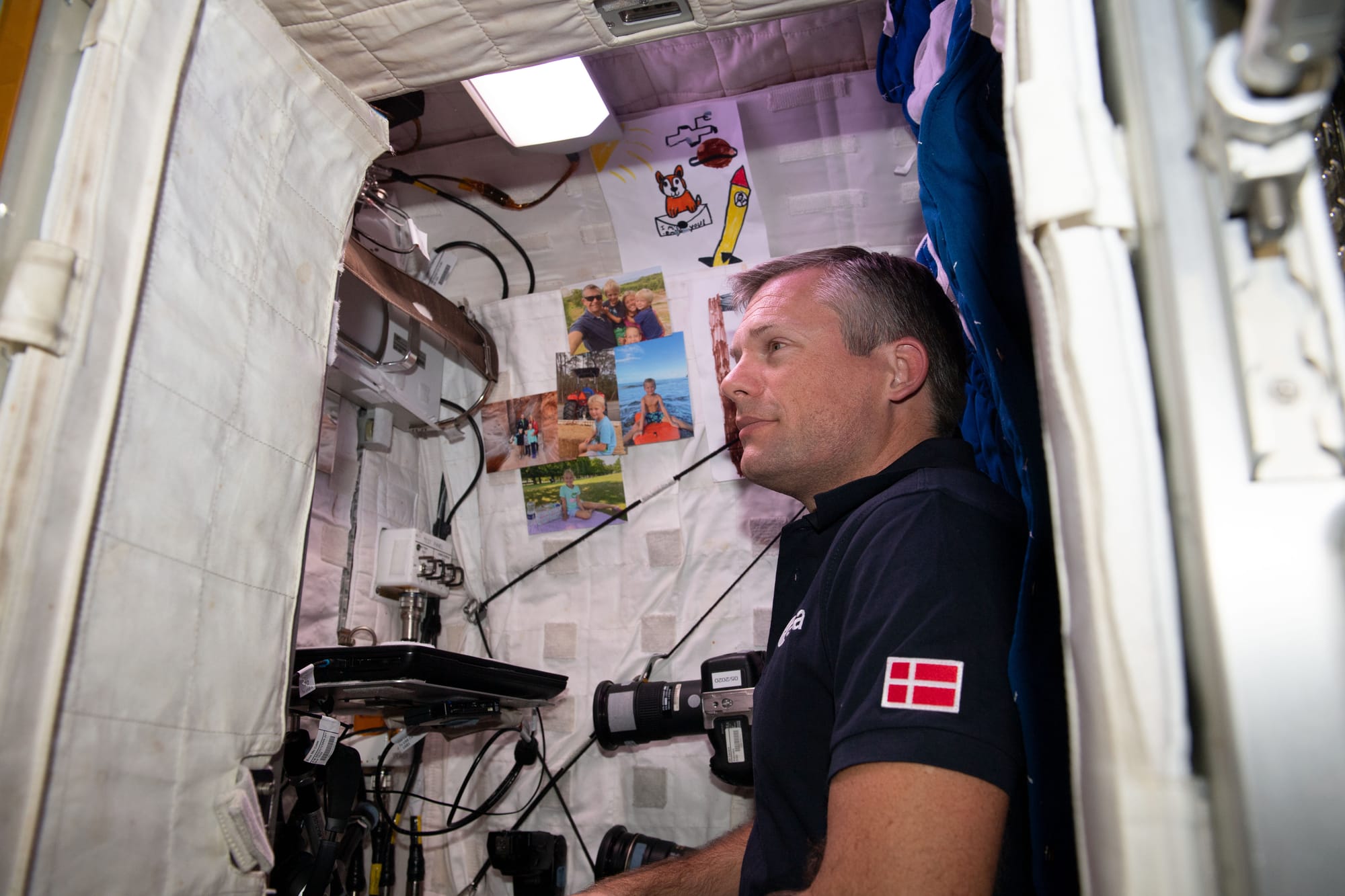
Launched to the ISS in June 2023, Circadian Light was installed in Danish ESA astronaut Andreas Mogensen's sleeping quarters during his Huginn mission. Designed to recreate the natural rhythm of daylight, the lighting system was developed to support astronauts' sleep, well-being, and daily routines in an environment where the sun rises and sets 16 times every day.
Bringing Earth's Natural Light into Space
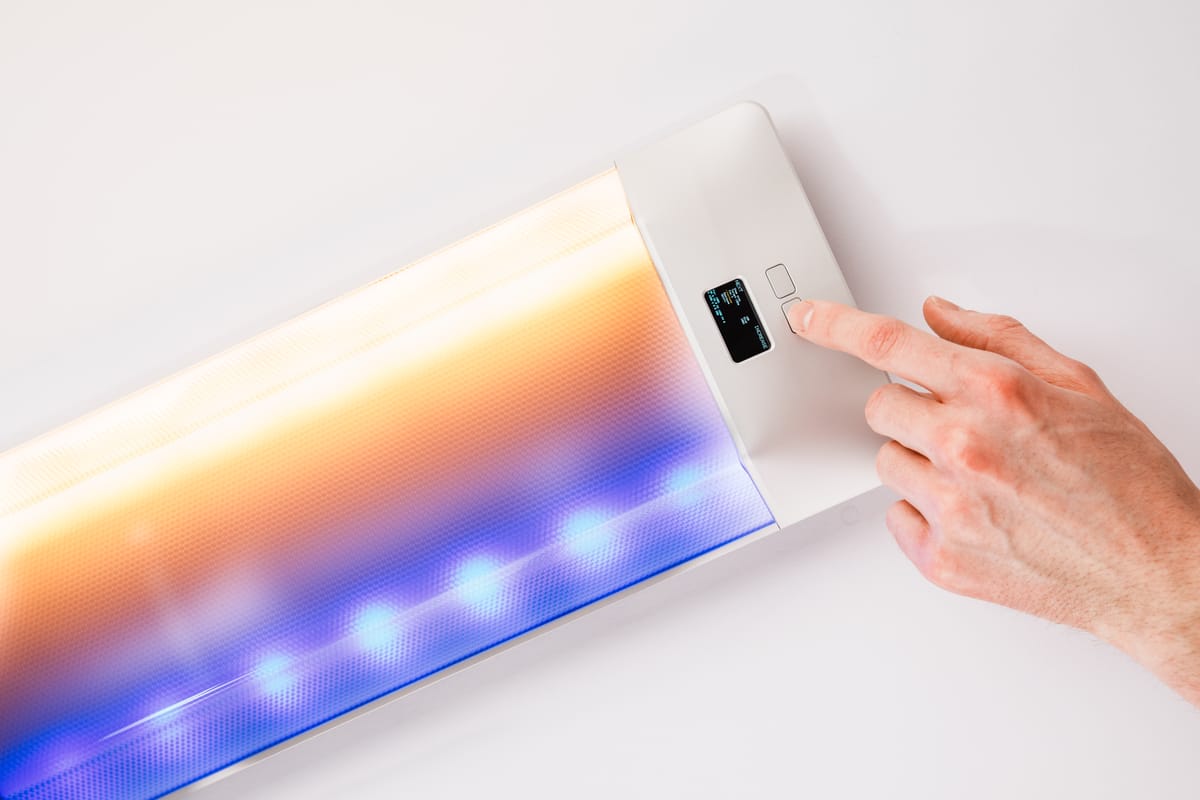
Life in space comes with challenges we rarely think about on Earth. Without the familiar rhythm of natural daylight, maintaining a healthy sleep schedule can be difficult for astronauts. That's why we developed Circadian Light, a lighting system designed to recreate the natural changes in daylight throughout the day. With three light surfaces that emit light at different angles, the system automatically adjusts its colors and intensity throughout the day, helping astronauts maintain their circadian rhythm.
From an Arctic Habitat to the International Space Station
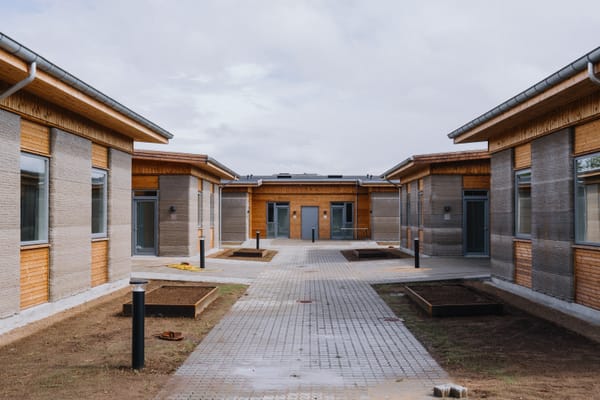
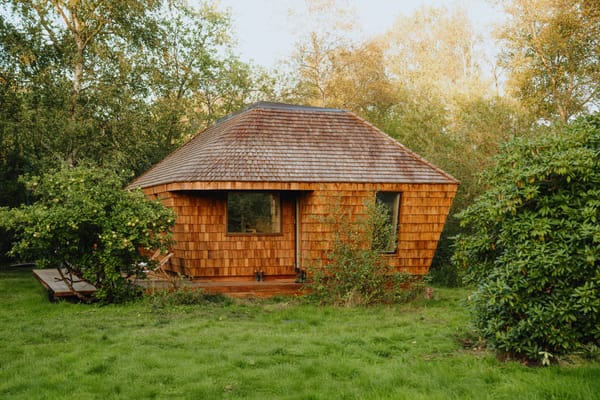
Circadian Light is the result of several years of research, design, and testing. Our first experiments with circadian lighting took place inside LUNARK, the analog habitat we developed and tested during a 100- day expedition in Northern Greenland in 2020. Living in isolation in one of Earth's most extreme environments gave us firsthand experience of how important light is to our physical and mental well-being.
We continued developing the technology through our habitat projects, eventually creating a system designed specifically for the conditions aboard the ISS. The ISS mission combined a technology demonstration with a research study, allowing us to test the lighting system in orbit while investigating its potential to support astronauts' sleep and well-being.
During Andreas Mogensen’s six-month Huginn mission in 2023–2024, he tested the system in his personal crew quarters. Following his mission, several other astronauts also tested Circadian Light, providing positive feedback on their experience. The data collected during these missions is currently being analyzed by Lonnie Petersen at MIT's Department of Aeronautics and Astronautics (AeroAstro), which will be together with MIT.
While the research is ongoing, the experience gained from testing Circadian Light aboard the ISS is already helping us with further development of ODIN, SAGA's habitat operating system, and other technologies designed to support astronauts on future missions.
“It is a special moment for us. What began as an idea in our Copenhagen studio became a piece of technology used aboard the ISS. Now, it will highlight the significance of Denmark's contribution to space exploration." - Sebastian Aristotelis, SAGA’s Co-Founder and Lead Architect
A Piece of Danish Space History
On October 13, SpaceX CRS-35 Dragon spacecraft is scheduled to launch, returning with the Circadian Light by the end of the year. Following its return to Earth, the European Space Agency (ESA) will coordinate the light's transport to Denmark. Once back in Denmark, the panel will become part of the collection at the Technical Museum of Denmark in Helsingør, where it will be preserved as a piece of Danish space history.
Circadian Light will be exhibited alongside our LUNARK habitat in the museum's upcoming space exhibition, expected to open in 2027. SAGA will also take part in a special unboxing of the light at the museum early next year.
For press inquiries, please reach out via [email protected].
A complete press kit is available here.
The Circadian Light project page is available here.
The imagery is captured by Edi Cliff.